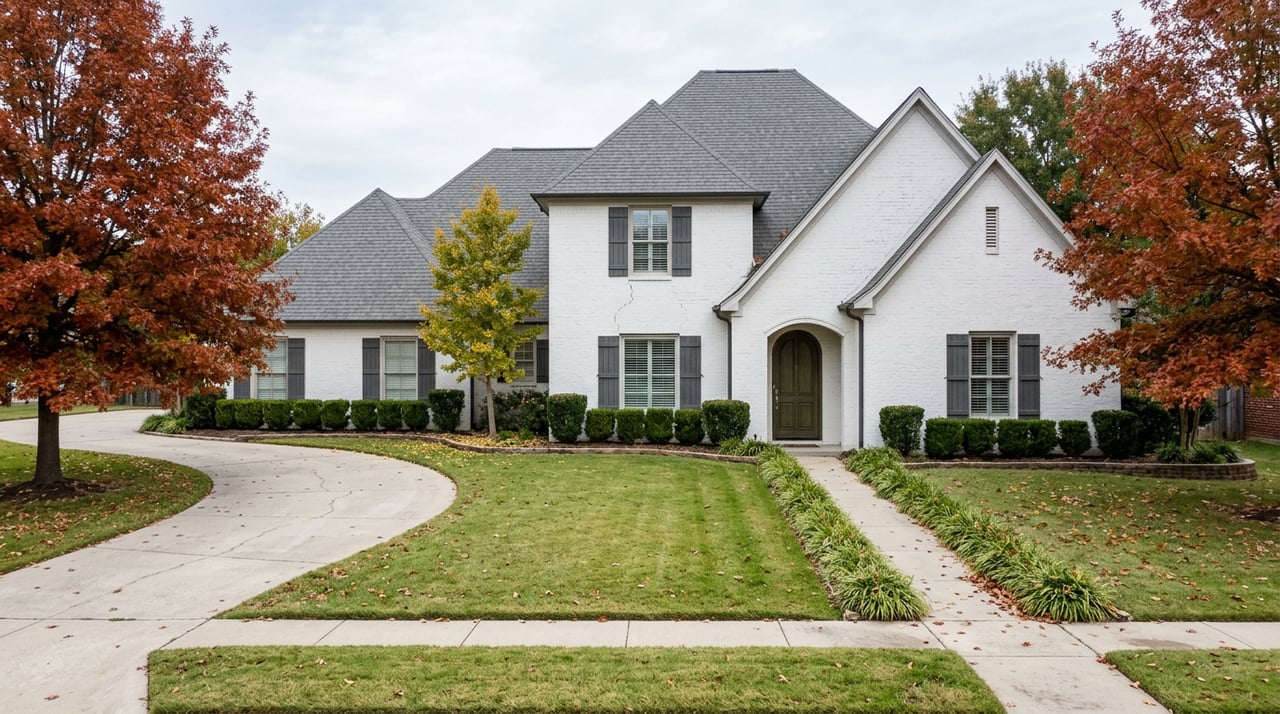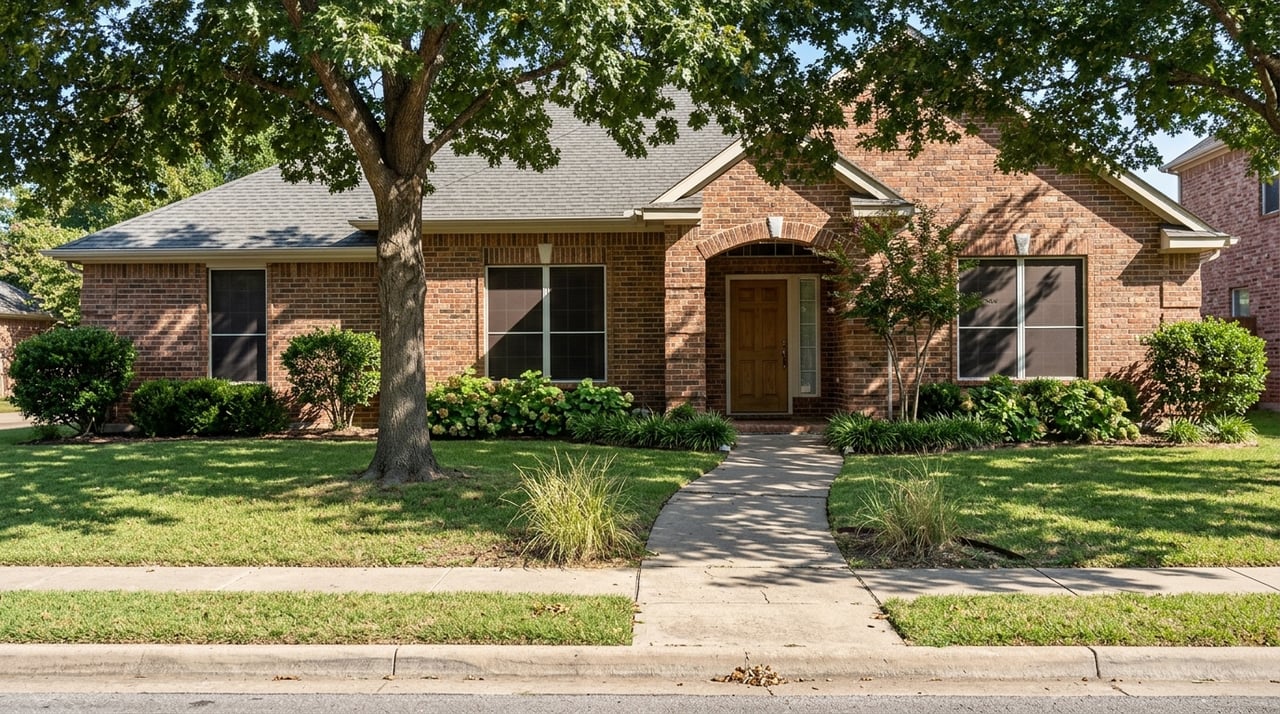
If you are home shopping in Edmond, one of the biggest surprises is how different one part of the city can feel from another. In just one market, you can find older homes near downtown, established neighborhoods with mature trees, newer subdivisions with planned open space, and edge-of-city properties with more land and privacy. Knowing those differences can help you focus your search, set a realistic budget, and choose a neighborhood style that fits how you actually live. Let’s dive in.
Edmond has more than one look
Edmond is a growing city of about 100,479 residents spread across 84.62 square miles. About 70.3% of homes are owner-occupied, and the mean commute time is 23.3 minutes.
That matters because Edmond is not just one type of housing market. The city’s planning framework separates older urban neighborhoods, older suburban areas, newer suburban areas, infill sites, and rural neighborhoods, which gives you a useful way to think about your options as a buyer.
Classic Edmond neighborhoods
Urban neighborhoods near downtown
If you love character, mature trees, and central convenience, Edmond’s older urban neighborhoods often stand out first. The city describes these areas as the oldest developed parts of Edmond, often within a several-minute walk of downtown, with a dense grid of streets and sidewalks and a mix of nearby parks, offices, shops, restaurants, and places of worship.
These neighborhoods tend to appeal to buyers who want a more established setting. You may find older homes, more shade, and easier access to central Edmond than in newer areas farther from the core.
Suburban 1 areas from the 1960s to 1980s
Edmond also has older suburban neighborhoods built mainly from the 1960s through the 1980s. According to the city, these areas are mostly within 3 miles of downtown and are primarily residential, with single-family homes plus some townhomes and duplexes.
Many buyers are drawn to these neighborhoods for their mature trees and established feel. Schools and parks are often located along arterial edges, which can shape how traffic and access feel from one section to the next.
What to expect in established areas
Established Edmond neighborhoods can offer a strong sense of place, but they also come with tradeoffs. Older homes may need updates, and some blocks may change over time as infill and redevelopment gradually reshape parts of the area.
If you want a brand-new floor plan or a more uniform subdivision layout, these neighborhoods may not be your first choice. If you care more about location, trees, and an older-home feel, they may be exactly what you want.
Newer Edmond subdivisions
Suburban 2 neighborhoods
For buyers who want newer finishes and a more turnkey home, Edmond’s newer suburban neighborhoods are often the best fit. The city describes Suburban 2 areas as primarily residential neighborhoods built from the 1990s to the present, typically farther from the core, with medium-to-large single-family detached homes and some apartment complexes.
These areas are planned with growth in mind. The city calls for better street and sidewalk connections, a wider mix of housing types, and access to open spaces and nearby commercial uses.
New construction can still feel green
One common assumption is that new construction always means fewer trees and less open space. In Edmond, that is not always the case.
The city’s tree preservation ordinance requires new residential developments to reserve at least 20% of the neighborhood area for tree preservation and open space, or for tree planting if there are no trees to preserve. While newer areas may not have the same mature canopy as older neighborhoods, they can still offer a green, planned feel.
What buyers should watch closely
Newer subdivisions often check a lot of boxes for convenience and condition. You may get newer materials, modern layouts, and less immediate maintenance.
At the same time, it is smart to look closely at lot size, commute distance, HOA rules, and whether the area is still in an active growth phase. Those details can affect how the neighborhood feels now and how it may change over the next few years.
Infill homes offer a middle ground
Suburban infill in Edmond
If you like the idea of newer construction but do not want to move too far from established parts of town, infill can be a strong option. Edmond’s Suburban Infill category covers smaller undeveloped pockets surrounded by existing development.
The city says these sites should improve connectivity and add missing pieces such as a park, local retail, or a missing housing type. For buyers, that can create a useful middle ground between older central neighborhoods and outer-edge subdivisions.
Why infill appeals to many buyers
Infill homes may give you a newer build in a more connected setting. That can be attractive if you want updated features but still value easier access to existing roads, services, and daily destinations.
Because infill varies from site to site, it helps to look at each location individually. One pocket may feel tucked into an established area, while another may be part of a larger transition zone.
Rural and acreage properties
Rural Neighborhood areas
If your dream home includes more land, more privacy, or a quieter setting, Edmond also offers edge-of-city and rural-style options. The city’s Rural Neighborhood category is very low density, with fewer than 0.3 dwelling units per acre, large setbacks, native trees and grasses, and access focused on 2-lane arterial roads.
The city also states that no public water or sewer service is provided in this category. That makes these properties a lifestyle choice as much as a real estate choice.
East Edmond growth and preservation
The East Edmond 2050 Plan adds more context, especially east of I-35. The city says future development in that area should protect Cross Timbers forest, tree canopy, prime farmland, open space, and riparian areas while respecting rural and agricultural character.
For you as a buyer, that means acreage-style living can offer real space and privacy while still being part of a long-range growth area. Surrounding land use, road access, and nearby development may evolve over time.
When acreage is the right fit
Rural and edge properties can be a great match if you want room to spread out. They may also appeal to buyers looking for fewer nearby neighbors or a more open setting.
They may be less ideal if you want immediate walkability, a shorter commute, or a more standard suburban utility setup. This is one area where your day-to-day routine matters just as much as the house itself.
How to choose the right Edmond style
Start with your daily routine
A neighborhood should support how you live, not just look good in photos. If your week involves commuting, school drop-offs, errands, and regular trips across town, location and access will matter as much as square footage.
Edmond’s average commute time is 23.3 minutes, and in general, older central neighborhoods, infill areas, and neighborhoods near major corridors may be better positioned for shorter drives than rural edge properties. Thinking through your normal week can make your search much clearer.
Think in terms of priorities
It helps to rank what matters most before you tour homes. For many buyers, the real tradeoff is not old versus new. It is convenience versus space, character versus turnkey condition, or central location versus a larger lot.
A simple way to frame Edmond is this:
- Classic and shaded: Urban Neighborhood and Suburban 1 areas
- Newer and more planned: Suburban 2 and Suburban Infill areas
- Space and privacy: Rural Neighborhood and edge-of-city acreage areas
Use budget as a range
Edmond prices vary depending on location, lot size, age, updates, and property type. Recent citywide snapshots place housing values and prices roughly from the mid-$300,000s to the low-$400,000s, depending on the source and metric.
The Census reported a median owner-occupied value of $351,400. Zillow’s home value index was $356,926 in late May 2026, Redfin’s median sale price was $391,766 over the three months ending May 2026, and Realtor.com’s spring 2026 median listing price was about $415,000 to $418,900.
That spread is useful because it reminds you not to rely on one number alone. In Edmond, established homes, newer construction, infill properties, and acreage parcels can price very differently.
Verify school boundaries by address
If school assignment is part of your decision, it is best to verify it by exact property. Edmond Public Schools provides boundary maps and planning documents, and boundaries should not be assumed from a neighborhood name alone.
That step can save you time and help you compare homes with clearer expectations. It is a small detail that can make a big difference during your search.
Why local guidance matters in Edmond
Edmond gives you real variety, which is a strength. It also means the right fit is not always obvious from an online listing or a quick drive through an area.
A home with older finishes may offer a better location and lot. A newer subdivision may deliver the layout you want but change your commute. An acreage property may look perfect on paper but involve utilities, access, or future area growth that deserve a closer look.
That is where practical, local guidance helps. When you understand how Edmond’s neighborhood styles line up with your budget, routine, and goals, you can make a more confident move.
If you are comparing classic neighborhoods, new construction, or acreage options in Edmond, Premier Realty, LLC can help you narrow the field and find a property that fits the way you live.
FAQs
What are the main neighborhood styles in Edmond, Oklahoma?
- Edmond generally includes older urban neighborhoods near downtown, older suburban neighborhoods from the 1960s to 1980s, newer subdivisions built from the 1990s to today, suburban infill areas, and rural edge properties with more land.
Are older Edmond neighborhoods closer to downtown?
- In many cases, yes. Edmond’s urban neighborhoods are often within a several-minute walk of downtown, and many Suburban 1 areas are located within about 3 miles of downtown.
Are newer Edmond subdivisions only on the outskirts?
- Many newer Suburban 2 neighborhoods are farther from the city core, but infill sites can offer newer construction in smaller undeveloped pockets surrounded by existing development.
Does new construction in Edmond include green space?
- Often, yes. Edmond’s tree preservation ordinance requires new residential developments to set aside at least 20% of neighborhood area for tree preservation and open space, or for tree planting if there are no trees to preserve.
Are acreage properties in Edmond connected to public water and sewer?
- In the city’s Rural Neighborhood category, no public water or sewer service is provided, so buyers should treat utilities as an important part of their property review.
How much do homes in Edmond, Oklahoma cost?
- Recent citywide snapshots place Edmond housing roughly from the mid-$300,000s to the low-$400,000s, depending on the source and whether you are looking at values, sale prices, or listing prices.
Should buyers verify school boundaries in Edmond by neighborhood name?
- No. Edmond Public Schools provides boundary maps, and school assignment should be checked by exact property rather than assumed from a neighborhood label.