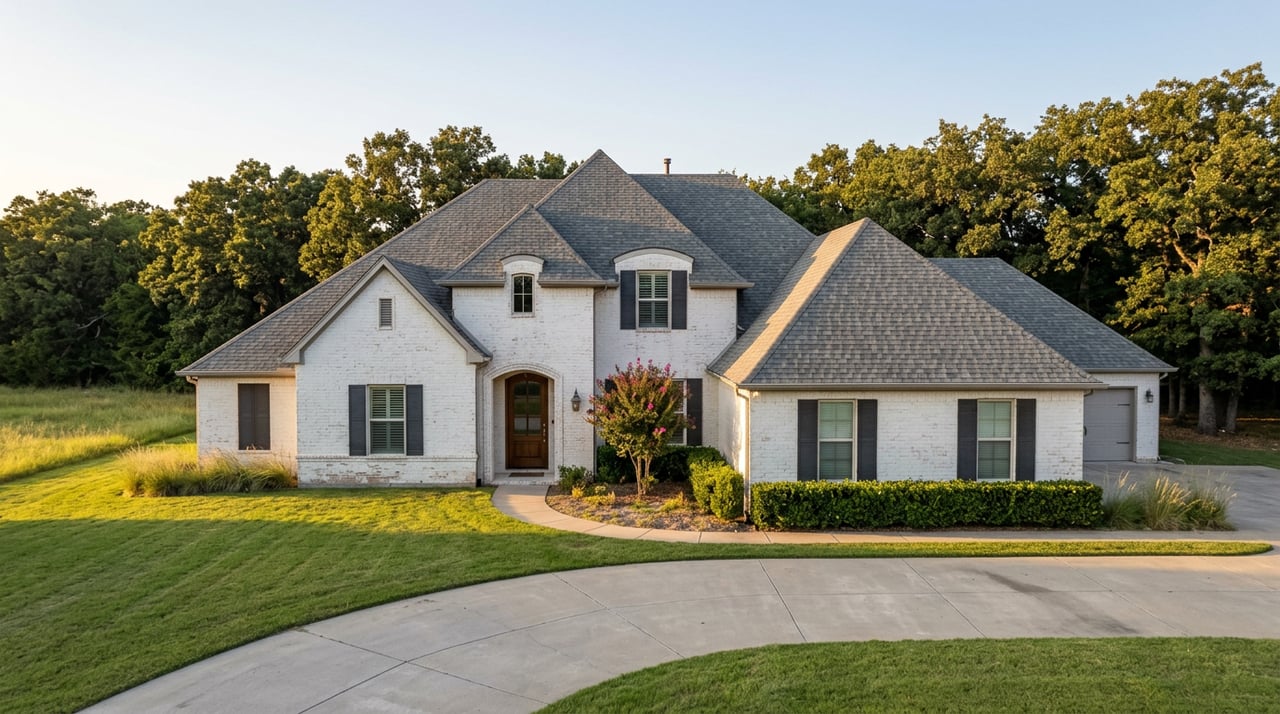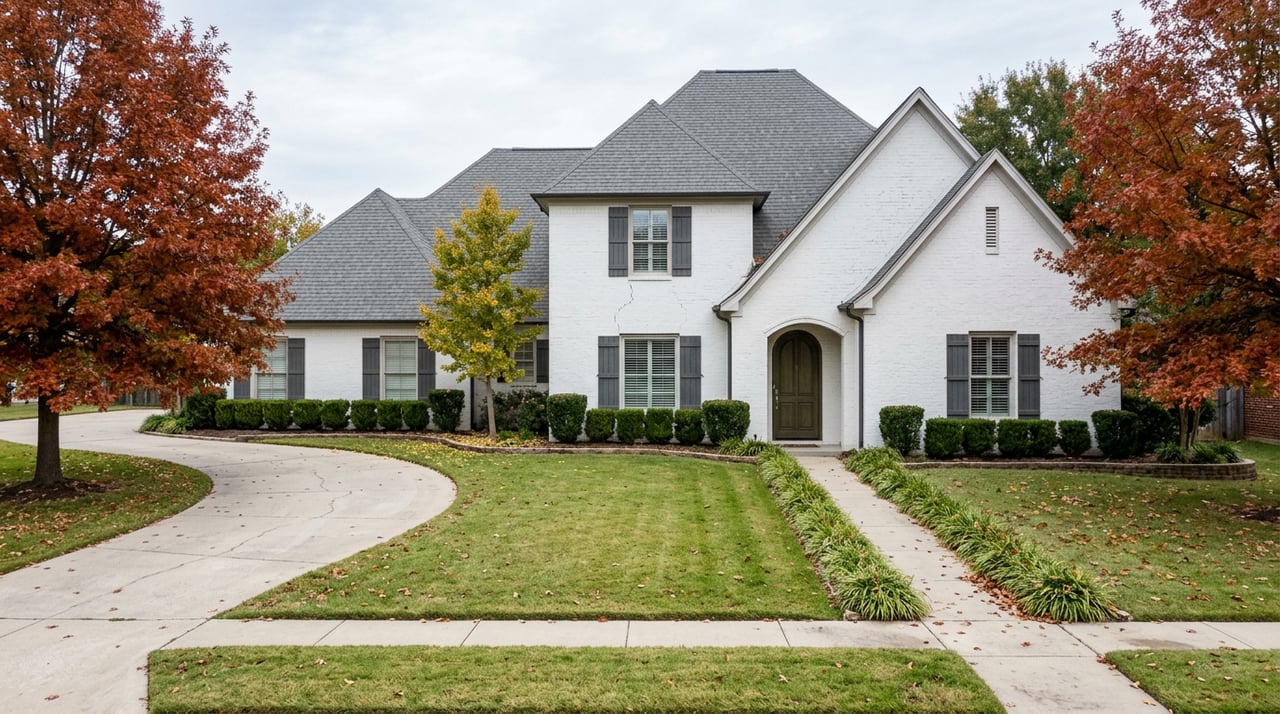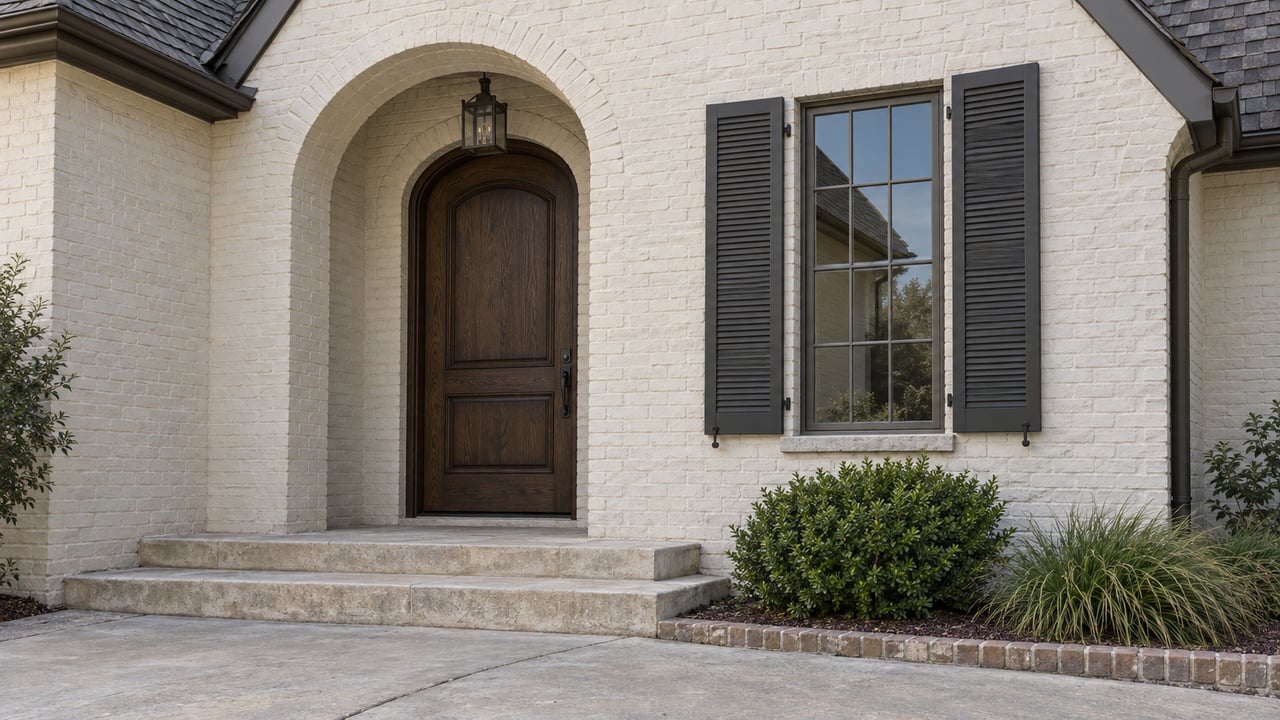
A buyer shopping under $400,000 in Edmond this year is writing offers within days of a listing going live, sometimes against two or three other buyers doing the same thing. A buyer shopping above $800,000 in the same city, often just a few miles east toward Arcadia, is taking calls from agents willing to talk price, willing to wait, willing to throw in incentives that would have been unthinkable at that price point two years ago. Both of these buyers are shopping in Edmond. Both of their experiences get folded into the same citywide median that gets quoted every month.
That median sat near $350,000 in February 2026, with homes selling in an average of 52 days. By the three months ending in May 2026, the citywide picture still looked similarly brisk: a median sale price of $392,000, a competitiveness score of 64 out of 100, and homes still drawing two offers on average. Numbers like that tell you almost nothing about which market you are actually competing in, because Edmond has been running two markets at once this year, and they have been moving in opposite directions.
The Sprint at the Entry Level
Below roughly $400,000, Edmond has been tight. Inventory data compiled in February 2026 put that band at three to four months of supply, deep into seller's market territory by any standard reading. A four-month supply means that if no new listings hit the market, everything currently for sale would sell out in four months. That is not a market where buyers get to think it over for a weekend.
The $300,000 to $500,000 band, where most first-time buyers and move-up families are shopping, tells the same story from a different angle. Homes priced correctly and shown well in that range have continued to draw multiple offers within the first week on market, according to a June 2026 update tracking the local trend. The flip side of that same update is instructive: overpriced listings in the same band are sitting longer, and price reductions are starting to show up more often than they were a year earlier. That is not a market losing steam. It is a market punishing sellers who guess wrong on price while still rewarding the ones who guess right.
If you are shopping in this range, the practical reality is that your competition is real and your timeline is short. Financing needs to be lined up before you tour, not after you find something you like. Buyers who qualify have an additional lever worth knowing about: the City of Edmond's Homebuyer Assistance Program offers help with down payment and closing costs for income-eligible first-time buyers, structured as a zero-interest second mortgage that gets forgiven if you stay in the home for the required period. It will not change how fast the market moves, but it changes what you can compete with.
New construction in this tier is coming from a handful of active builders, with Homes by Taber the most prolific name attached to Edmond communities like Antler Creek, Lone Oak North, Magnolia Ridge, Castleberry, and Twin Silos. These developments give entry and mid-market buyers a path around the resale bidding wars, though they are not immune to the same tight timelines once units near completion.
The Stall Above $800,000
Move up the price ladder and the story reverses. By February 2026, Edmond's luxury tier, roughly $800,000 and above, had climbed to around 6.8 months of supply, crossing the line into buyer's market conditions. That is more than double the months of supply sitting under the entry-level band in the same city at the same moment.
Most of that luxury inventory sits east, in the corridor that runs along Coffee Creek Road and Air Depot toward Arcadia, where the suburb starts to blur into open country. Neighborhoods like Oak Tree, Saratoga Farms, and Rose Creek anchor this tier, with homes commanding $1 million to $5 million and a price per square foot in the $250 to $350 range. The buyers here are not the same buyers competing for a starter home closer to the core. Market observers watching this corridor describe a profile heavy on physicians, energy executives, and technology founders, people who have typically already owned a luxury home in Edmond or Oklahoma City and are trading up for acreage and privacy rather than more square footage.
That shift in what buyers want has pulled construction with it. Somerset Ridge, a gated community at Post and Danforth, is building homes with four-car garages and nearly an acre of surrounding lot. Stone Gate is offering homesites close to seven acres. Chitwood Farms is selling lots over an acre that back to a conservation easement. Woodland Park and Bison Ridge, both in the East Edmond and Arcadia footprint, are marketing five-acre hilltop lots with downtown Oklahoma City visible from the yard. None of this is entry-level inventory. All of it is chasing the same buyer: someone who wants land more than they want proximity.
Why Builders Keep Building Into the Slow Half
The incentive here is not complicated once you look at the margins. A home in Oak Tree or Rose Creek carries a price per square foot roughly double what you would pay in a starter community closer to the core. That premium exists because the land itself, not just the structure on it, is the product. A builder putting up a home on a seven-acre homesite in Stone Gate captures far more revenue per lot than one filling a quarter-acre pad in a $300,000 subdivision, even if the acreage lot takes longer to sell.
That math explains why supply kept growing in the exact tier where demand slowed. Builders were responding to what the highest-margin buyer wanted two and three years ago, when acreage and privacy became the defining ask for anyone with the income to act on it. The building pipeline takes time to turn, so completed luxury acreage homes are hitting the market now, arriving into a buyer pool that has grown more selective about price and timeline than it was when those lots were platted.
Meanwhile, the entry and mid-market tier does not have the same land-assembly runway near Edmond's core. There is less raw acreage left to subdivide close to schools and existing infrastructure, so supply in that band grows slower almost by geography rather than by builder choice. The two tiers are not just moving at different speeds. They are constrained by different physical limits on what land is available to build on.
Reading Edmond's Numbers If You Are Actually Shopping
A single citywide median or a single citywide days-on-market figure will not tell you which market you are in. What will:
- Ask for months-of-supply broken out by price bracket, not the blended citywide number. The gap between three months and seven months is the whole story.
- If you are shopping under $400,000, treat every listing as time-sensitive. Have preapproval in hand before you tour, and know whether you qualify for down payment assistance before you need it.
- If you are shopping above $800,000 in the East Edmond or Arcadia corridor, you likely have more room to negotiate on price, closing timeline, or included upgrades than the headline market conditions suggest.
- Watch price reductions as your clearest signal. A rising share of reduced listings in a given band tells you sellers are adjusting to real conditions faster than the average days-on-market figure will show you.
A Couple of Questions Worth Answering Directly
Does a buyer's market at the top end mean home prices are falling across Edmond? No. The softening is concentrated in the acreage-heavy luxury tier. The sub-$400,000 band has stayed tight enough to keep sellers in a strong position, which is why a single citywide price trend cannot describe both segments accurately.
Is the slowdown only happening in Arcadia, or across all of Edmond's upper price range? The clearest evidence points to the East Edmond and Arcadia corridor specifically, where acreage lots and the buyers chasing them are concentrated. Luxury inventory closer to Edmond's core may behave differently, since it is not competing on the same acreage premium that is driving the corridor's current supply.
Whether you are trying to win a bidding situation under $400,000 or trying to price a five-acre listing correctly in a market that has slowed, the number that matters is the one specific to your price band, not the one on the front page of the market report. If you want a read on where your own property or your own search fits into that picture, Premier Realty, LLC can walk through the actual local numbers with you.