Are you thinking about trading Lincoln County’s open space for Tulsa County’s wider housing options and bigger job market? That kind of move can open new doors, but it also changes your budget, your daily routine, and the type of home you are likely to find. If you want to make a smart move without surprises, it helps to understand the trade-offs before you pack. Let’s dive in.
Tulsa County Feels Different
A move from Lincoln County to Tulsa County is more than a new address. It is a shift from a low-density county to a much denser one, with 1,173.7 people per square mile in Tulsa County compared with 35.1 in Lincoln County.
That change often shows up right away in traffic patterns, housing choices, and the pace of daily life. Tulsa County also has a lower owner-occupied share at 59.7%, compared with 80.3% in Lincoln County, which points to a more mixed market with both owners and renters.
Housing Costs Matter Early
If you are planning this move, your budget needs a close look. Census QuickFacts show Tulsa County has a higher median owner-occupied home value at $230,400, compared with $166,500 in Lincoln County.
Monthly housing costs are also higher. Median gross rent is $1,110 in Tulsa County versus $794 in Lincoln County, and median monthly owner costs with a mortgage are $1,650 compared with $1,327.
That means your monthly payment may rise even if you buy a home similar in size or style. For many buyers, the smartest first step is setting a realistic comfort range before touring homes.
Housing Choices in Tulsa County
Tulsa County offers a broader mix of housing types than Lincoln County. According to Point2Homes county profiles, Tulsa County’s housing stock is 68.6% detached homes, 2.5% attached homes, 5.6% in 5 to 9 unit buildings, 7.2% in 10 to 19 unit buildings, and 5.0% in 50+ unit buildings.
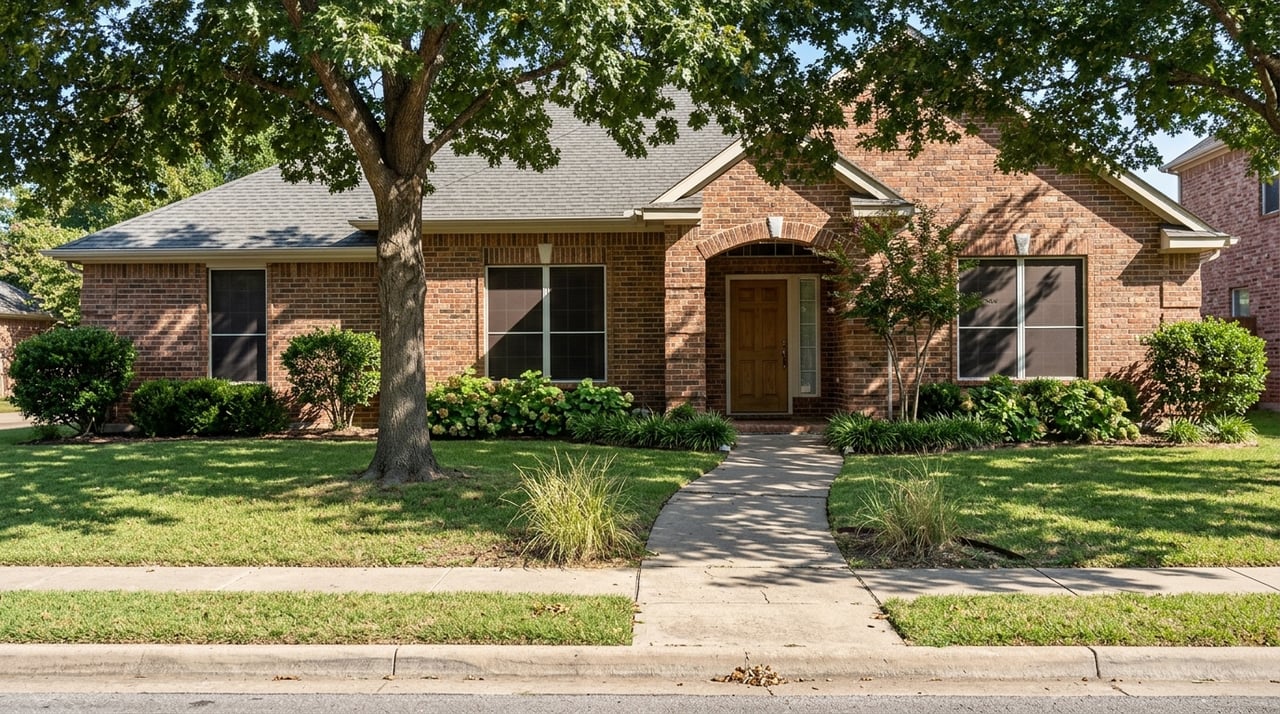
Lincoln County looks more space-oriented by comparison. It is 73.3% detached homes and 21.4% mobile home, with much smaller attached and multifamily shares.
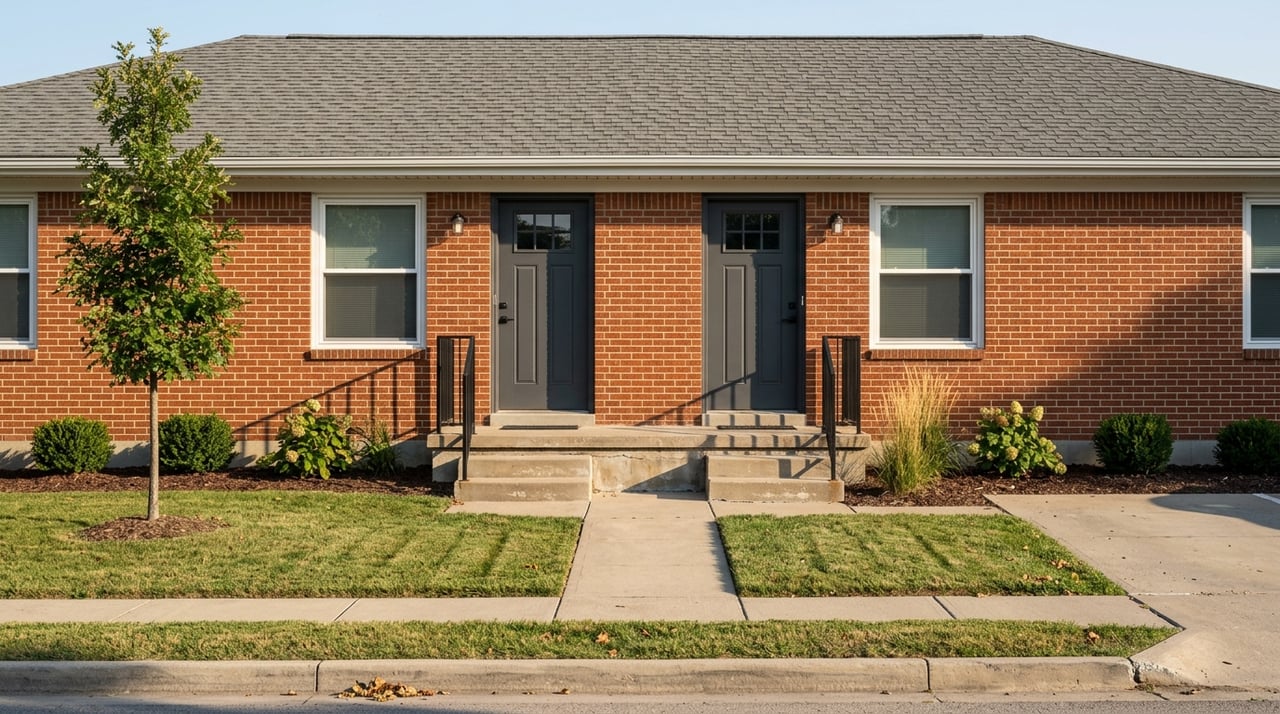
For you, that usually means more flexibility in Tulsa County. You may find apartments, townhomes, and infill homes more easily there, while Lincoln County tends to fit buyers who want a more rural housing profile.
Rent-First Can Be Easier
Because Tulsa County has a higher renter share, it can be more practical if you need a temporary landing spot. That matters if your Lincoln County home sale and Tulsa County purchase do not line up neatly.
A rent-first plan can give you breathing room while you learn the area and narrow down the right fit. In a transition move, that extra flexibility can reduce pressure and help you avoid rushed decisions.
Commutes May Change for the Better
One of the biggest practical differences is commute time. Census QuickFacts show the average commute in Tulsa County is 20.3 minutes, compared with 29.7 minutes in Lincoln County.
That does not mean every drive will be shorter, since commute time still depends on where you live and where you work. Still, a shorter countywide average suggests that more work destinations are clustered into a smaller drive radius.
If your move is tied to work access, this can be a major advantage. It may also make your daily schedule feel more manageable.
Tulsa County Has a Larger Job Base
Tulsa County offers a much larger employment base than Lincoln County. Census QuickFacts report 19,556 employer establishments and 329,036 total employment in Tulsa County, compared with 593 establishments and 5,625 employment in Lincoln County.
The City of Tulsa describes this employment base as diverse across manufacturing, construction, services, high tech, health care, education, and transportation. That variety can be helpful if your household wants more than one type of job opportunity in the same area.
Major employment activity is spread across several parts of the county. Downtown Tulsa is described by PartnerTulsa as a center of commerce, creativity, and culture, while the City of Tulsa says the Tulsa International Airport complex is one of the county’s largest employment centers.
Greenhill and Crosstown industrial parks add logistics and manufacturing activity. Saint Francis Health System also says it is the largest private employer in Tulsa County, with more than 11,000 employees, anchored by Saint Francis Hospital at 6161 South Yale and a Warren Clinic network across eastern Oklahoma.
Public Transit Is Part of the Mix
If you are used to driving everywhere, Tulsa County still may feel more connected. Tulsa Transit publishes schedule and real-time feeds, which shows the metro does have public transit infrastructure available for some commuters.
That will not replace a car for every household. Still, it can add another option depending on where you live, work, and spend time.
Lifestyle Trade-Offs to Expect
Tulsa County often feels more urban and more varied in day-to-day life. Census QuickFacts show 9.9% of residents are foreign-born in Tulsa County versus 0.9% in Lincoln County, and 16.5% of Tulsa County residents speak a language other than English at home compared with 1.8% in Lincoln County.
Median household income is also higher in Tulsa County at $69,009, compared with $62,216 in Lincoln County. Together, those numbers suggest a broader mix of services, workplaces, and daily experiences.
For many movers, that can mean easier access to restaurants, retail, health care, and other services. The trade-off is that you may also notice more density, more turnover, and less of the quiet, land-focused feel common in Lincoln County.
Think About What You Want Most
This move makes the most sense when your priorities match what Tulsa County offers. If you want more housing variety, broader job access, and shorter average commutes, Tulsa County may fit your goals better.
If you are used to lower monthly costs, a more ownership-heavy setting, or a smaller-town housing profile, the adjustment may take more planning. Knowing what matters most to your household can keep you focused when choices start to feel overwhelming.
Plan the Sale and Purchase Timing
Timing matters in any move, but especially when you are selling in one county and buying in another. The Consumer Financial Protection Bureau says people who need to move commonly try to sell their current home before buying another.
The same source notes that preapproval letters often have expiration windows of 30 to 60 days. Sellers also frequently require a preapproval letter before accepting an offer.
Once an offer is accepted and a lender is chosen, the closing process begins. The Consumer Financial Protection Bureau says the Closing Disclosure must be delivered at least three business days before closing, rate locks are typically 30, 45, or 60 days, and home inspections should be scheduled as soon as possible after acceptance.
For a Lincoln County to Tulsa County move, a clean plan often looks like this:
- Get preapproved early
- Decide whether your Lincoln County sale needs to close before your Tulsa County purchase
- Build your timeline around listing, inspection, and financing windows
- Avoid taking on two housing payments unless that fits your budget
- Consider a temporary rental if your sale and purchase dates do not align
A plan like this can help you move with less stress and fewer last-minute surprises.
A Local Strategy Helps
Moving from Lincoln County to Tulsa County is not just about finding a house. It is about balancing cost, commute, housing type, and timing in a way that fits your real life.
That is where practical local guidance matters. Premier Realty, LLC brings a relationship-first approach, hands-on service, and deep experience helping buyers and sellers across Lincoln County and central Oklahoma make confident next moves.
If you are weighing a move from Lincoln County to Tulsa County, Premier Realty, LLC can help you think through your sale, your budget, and your next step with clear, local guidance.
FAQs
What should you budget for when moving from Lincoln County to Tulsa County?
- You should plan for higher housing costs in Tulsa County, where the median owner-occupied home value is $230,400, median gross rent is $1,110, and median monthly owner costs with a mortgage are $1,650.
What kinds of homes can you find in Tulsa County?
- Tulsa County has a broader housing mix than Lincoln County, including detached homes, attached homes, and more multifamily options such as apartments and larger residential buildings.
What is the average commute in Tulsa County compared with Lincoln County?
- The average commute is 20.3 minutes in Tulsa County, compared with 29.7 minutes in Lincoln County.
Why do some buyers rent first when moving to Tulsa County?
- Some buyers rent first because Tulsa County has a higher renter share, which can make it easier to find temporary housing while waiting for a home sale or searching for the right property.
How should you time a move from Lincoln County to Tulsa County?
- You should try to line up your preapproval, home sale, inspection period, and rate-lock timing early so you can reduce stress and avoid carrying two homes if possible.