Thinking about selling your land or small farm in Lincoln County but not sure where to start? You are not alone. Acreage sales move differently than houses, and the details that buyers ask for can feel technical if you have not gathered them before. This guide gives you a clear, local checklist so you can prepare the right documents, highlight the strongest features, and price with confidence. Let’s dive in.
Start with county records and title
Before you list, confirm what you own, what is recorded, and whether any encumbrances exist. Buyers and title companies will ask for proof.
- Order a title search or title commitment and review the chain of title for easements, rights-of-way, mineral reservations, leases, mortgages, and liens. The County Clerk can provide certified copies of recorded instruments, and the Assessor can provide parcel and tax history. Start with the County sites, including the Assessor’s parcel search at the Lincoln County Assessor portal and the Clerk’s contact page on Lincoln County’s website.
- Pull your most recent tax statements and check current assessed value and any exemptions. The Assessor’s office can explain how a change of use may affect valuation or trigger rollback. Visit the Assessor’s office page for parcel information.
- Keep copies of all recorded easements, covenants, and plats with your listing materials.
Confirm mineral rights and oil and gas status
In Oklahoma it is common for mineral rights to be severed from the surface. Buyers want clarity on what conveys.
- Review your title commitment for mineral reservations and any recorded oil and gas leases. If minerals were reserved by a prior owner, disclose that clearly.
- If you have questions, consult Oklahoma oil and gas law and recorded lease records. For background, see Oklahoma oil and gas statutes referenced at law.justia.com.
- Be ready to state whether any lease income exists and if a lease will transfer or terminate at closing.
Survey, legal description, and access
Accurate boundaries and legal access are essential for pricing, financing, and buyer confidence.
- Obtain a current boundary survey. If a buyer might use lender financing, an ALTA/NSPS-level survey or equivalent is ideal.
- Confirm legal access. Identify whether your road is public or private. If private, verify that access easements are recorded and shown on the survey.
- Ask the appropriate County Commissioner about road or bridge maintenance responsibilities near your property and any planned work that could affect access. Start with your district’s page on Lincoln County’s site.
Water wells and onsite sewage systems
Most rural buyers ask about well and septic details. Having documents ready shortens contingencies and builds trust.
- For private wells, verify completion records and licensed driller information. The Oklahoma Water Resources Board sets well standards, and buyers often ask for well logs, pump tests, or recent water quality results. See state rules overview via Justia’s OWRB regulations page. If available, include your well completion report in your listing attachments. A state form example is on the OWRB site at this completion report document.
- For septic or onsite sewage systems, identify the system type and gather permits or inspection paperwork. Oklahoma onsite sewage is regulated under OAC 252:641. Many buyers, and most lenders, want a recent evaluation or permit documentation. Review the rules and common documentation via the Oklahoma DEQ’s onsite sewage resources.
Floodplain, wetlands, and soils
Where land sits and what is in the soil directly affects use and value.
- Run your parcel on FEMA’s Flood Map Service Center to check flood zone status. Flood zones can affect insurance and building rules. You can search and print map panels at the FEMA Flood Map Service Center.
- Pull soils data using the NRCS Web Soil Survey. Soils information helps buyers evaluate cropping potential, pasture productivity, and whether land is considered prime farmland. Create a soils map and basic report at the NRCS Web Soil Survey.
- If your property participates in a conservation program or has special designations, gather the paperwork so buyers understand restrictions or benefits.
Taxes, ag status, and leases
Transparency around income and carrying costs helps buyers compare properties fairly.
- Confirm assessed value, current property taxes, and any agricultural valuation or exemption with the Assessor. Keep recent statements in your listing file. Use the Lincoln County Assessor portal for parcel and tax info.
- Gather documents for any existing leases. Include farm, grazing, hunting, or oil and gas leases along with rent, term, renewal rules, and termination or assignment conditions.
Simple property prep that pays off
You do not need to overhaul your place to make a strong first impression. Focus on clean access and safe, visible use.
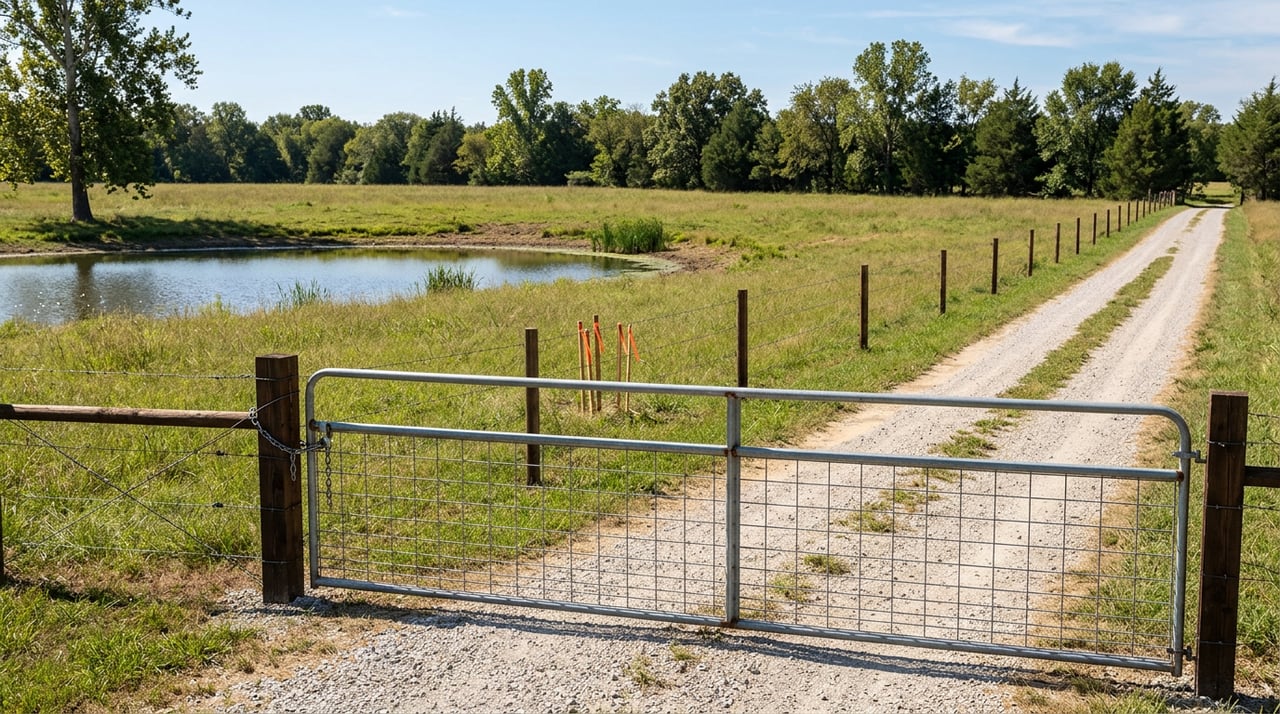
- Grade the driveway, set a simple gate, and place clear signage when appropriate so buyers can find the entrance.
- Mow or blaze a path to show the homesite and key features like ponds, pasture edges, and timber lines.
- Repair fencing and gates along the perimeter and main paddocks. Livestock buyers value secure, functional fences.
- Remove scrap, trash, and hazardous materials. Tidy barns, pens, and high-visibility areas.
- Share simple written notes on pasture rotations, hay yields, and recent fertilizer or lime applications. Local guidance is available through the OSU Extension in Lincoln County, which provides pasture and soils resources.
Pricing and valuation for acreage
Land is priced differently than a house. The strongest comps are recent per-acre sales of similar usable acres with similar access and features.
- Pricing drivers in Lincoln County often include usable acres, road frontage, water sources, improved fencing and outbuildings, access to utilities, recreational appeal, and whether mineral interests are intact or leased.
- If your land has income from leases or conservation programs, document the amounts and terms. Some buyers apply an income approach to value.
- Consider a licensed rural appraiser and an agent who lists land. A land-focused approach highlights soil, water, access, and mineral status that general home comps may miss.
- For planning and transition topics, OSU provides helpful references at the Farm Transitions program.
Marketing that reaches the right buyers
Different buyer types look for different facts. Speak to the uses your land supports and show proof.
- Likely buyer groups include neighbors seeking to expand, hobby farmers, equestrian buyers, recreational or hunting buyers, developers near town, and investors. Tailor your remarks to the correct audience.
- Create strong visuals: clear aerial maps with boundary overlays, drone photos showing access and improvements, and a soils map if cropping potential matters.
- Prepare a one-page property data sheet with the legal description, usable acres, water and septic status, utilities, tax amount, easements, current income, and recent improvements.
- For showings, provide clear instructions for gates and contact info. Mention any vehicle limitations or safety rules.
- For financing, expect longer timelines when a lender requires a survey, appraisal, or water and septic documentation. Having those items ready keeps deals moving.
Your Lincoln County seller checklist
Use this practical list to get ready to list and show with confidence.
- Get a parcel map and your most recent tax bill from the Lincoln County Assessor.
- Order a current boundary survey. If buyers may finance, ask for ALTA/NSPS or equivalent standards.
- Pull deeds and recorded documents from the County Clerk, including easements and rights-of-way. Start with the Clerk’s page on Lincoln County’s site.
- Order a title commitment and confirm any mineral reservations or oil and gas leases. For context on Oklahoma oil and gas, see state statutes.
- Gather your well completion report and consider a recent water test if you have a private well. See the OWRB completion form example here.
- Arrange a septic inspection or gather prior permits and documentation per OAC 252:641. Review DEQ’s onsite resources here.
- Check FEMA flood map status and save the panel for your listing binder. Use the FEMA map site.
- Download an NRCS soils map for the tract and note key soil types. Visit the Web Soil Survey.
- Compile all leases with rent amounts and termination rules. Note whether leases will transfer or end at closing.
- Clear and mark access, tidy high-visibility areas, and repair obvious fence or gate issues.
- Build a concise property factsheet covering legal description, usable acres, water and septic status, utilities, taxes, easements, income, and recent improvements.
- Talk to a local land-experienced agent and, if needed, a rural appraiser before finalizing list price.
Getting these items in order sets clear expectations and reduces surprises during buyer due diligence. It also helps your agent market with confidence and answer questions quickly.
Ready to put your plan in motion with a local team that knows the backroads and the buyers who want acreage in Lincoln County? Reach out to Premier Realty, LLC for a straightforward pricing conversation, a practical prep plan, and listing exposure across our local network and modern channels.
FAQs
Do I have to own mineral rights to sell my land in Oklahoma?
- No. Surface and mineral estates can be severed in Oklahoma. Disclose any recorded mineral reservations or active leases and provide a title commitment. For background, review the oil and gas statutes at law.justia.com.
How can I check if my Lincoln County property is in a flood zone?
- Use FEMA’s Flood Map Service Center to search your parcel, print the map panel, and include the result with your listing. Start at the FEMA map site.
What documents should I provide about my well and septic systems?
- For wells, provide the well completion report and any recent water test. For septic, share permits or inspection paperwork. State rules and documentation examples are available through the OWRB and DEQ at the links above.
Will buyers be able to finance a rural land purchase?
- Many acreage buyers pay cash, but some use USDA or conventional lenders. Lenders typically require a survey, legal access, and acceptable well and septic documentation, which can lengthen contingencies. Having documents ready helps the process.
Should I end a hunting lease before listing my property?
- Not always. Some buyers value existing lease income, while others prefer immediate control. Disclose terms and whether the lease will transfer or terminate so buyers can factor it into their decision.