If you are shopping for acreage or a country home in Pottawatomie County, it is easy to fall for the view before you check the fine print. That is completely understandable. Wide-open land, a quiet setting, and room to spread out can make a property feel like the perfect fit. But rural buying here is really a house-and-land purchase, which means the details behind the parcel matter just as much as the home itself. In this guide, you will learn what to verify before you make an offer so you can move forward with more confidence. Let’s dive in.
Why acreage buying is different
Buying acreage in Pottawatomie County is not the same as buying a typical in-town home. You are not just evaluating bedrooms, finishes, and curb appeal. You are also evaluating legal access, utility setup, septic feasibility, title history, and how the land is recorded and taxed.
That is especially important in a county where land records go back to the late 1800s. The Pottawatomie County Clerk records deeds, mortgages, liens, plats, oil and gas leases, and other land documents. The county also points buyers to ActDataScout for land ownership and tax records, which makes record review a key part of the process.
Since November 1, 2023, deeds presented for recording must include an Oklahoma Attorney General affidavit for land or mineral ownership. That is one more reason rural buyers should treat due diligence as part of the purchase from day one, not as an afterthought near closing.
Start with land records
Before you get too attached to a listing, confirm what is actually being sold. The legal description, deed history, and any recorded easements or restrictions can affect how you use the property and even how you access it.
For many country homes, the biggest questions are simple but important. Does the parcel have recorded access? Are there liens or plats that affect the property? Are there mineral issues or oil and gas leases in the record? These are not small details when you are buying acreage.
A practical first step is reviewing records through the County Clerk and checking parcel and tax information through the county assessor tools and ActDataScout. That helps you match the listing details to the public record before you make major decisions.
Verify the water source early
Water service can vary a lot from one parcel to the next in Pottawatomie County. Some properties are served by rural water infrastructure, while others depend on a private well. You want to know which one you are dealing with before you write an offer.
If the home is on a rural water system, ask which provider serves the property and whether there have been any recent system changes or improvements in the area. The Oklahoma Water Resources Board reported that Citizen Potawatomi Nation operates Pottawatomie County Rural Water District No. 3 and is upgrading the Macomb and Dale treatment plants, which shows how local water service can be tied to district infrastructure.
If the property uses a private well, the next step is testing and maintenance history. Oklahoma State University says private wells are unregulated and should be tested annually. A basic annual panel should include nitrates, total dissolved solids, pH, and fecal coliform or E. coli.
Ask the seller when the well was last tested, what the results showed, and whether there is a treatment system or maintenance record. OSU’s Oklahoma Well Owner Network also offers free basic screening through county Extension offices, which gives buyers another local resource when evaluating a well-based property.
Check septic feasibility and condition
Septic is one of the biggest practical issues for country homes. Many rural properties in Oklahoma use septic systems, and buyers need to understand both the existing system and whether the parcel supports future changes.
OSU notes a useful rule of thumb for septic feasibility. Parcels using public water supply typically need at least 0.5 acres, while parcels using a private well typically need about 0.75 acres. Septic components must be on the owner’s property or in a dedicated recorded easement.
If a system is being added or modified, DEQ authorization and permit review are required. OSU also recommends using a DEQ-certified installer when possible. For buyers, that means you should ask where the tank and disposal field are located, what type of system is installed, and whether permits or DEQ paperwork are available.
It also helps to ask when the system was last pumped or inspected. A pretty home on acreage can still come with expensive surprises if the septic system is poorly documented or nearing the end of its useful life.
Confirm access and road details
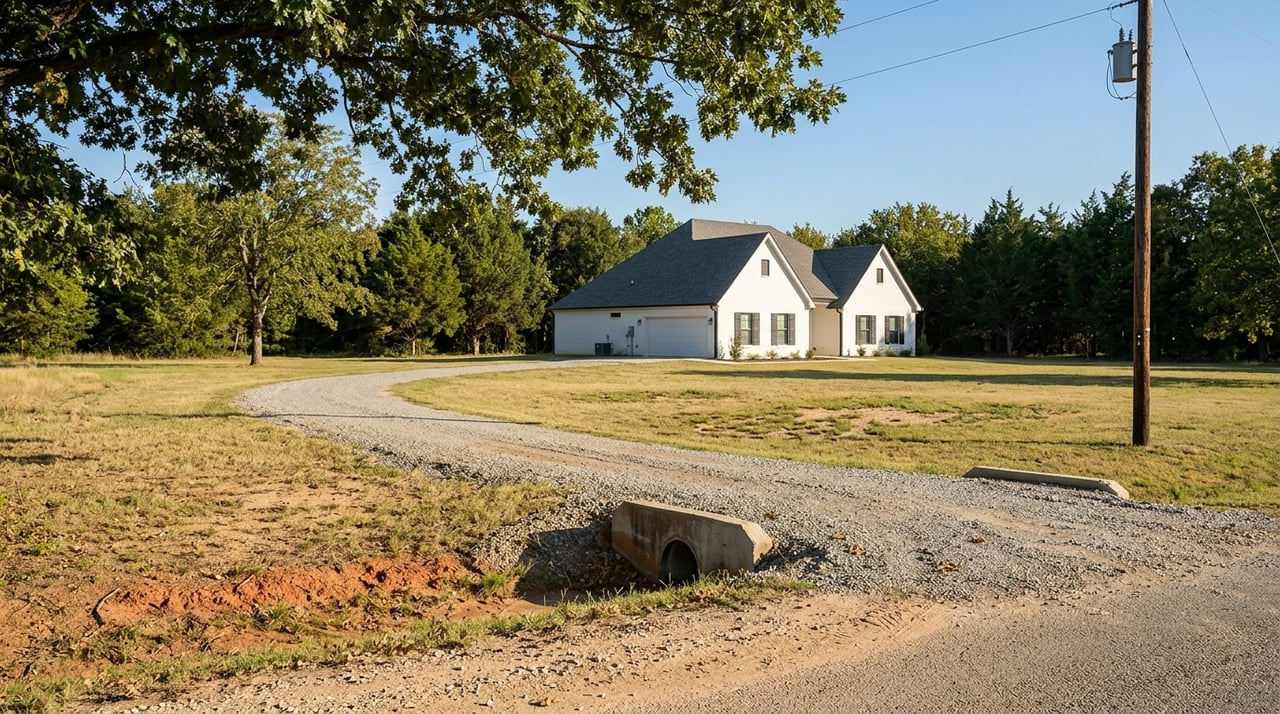
Country living can lose its appeal quickly if access is unclear. In rural listings, it is smart to confirm whether the road or driveway is county-maintained or private and whether a recorded access easement exists.
This matters for everyday convenience, but it also matters during bad weather and other disruptions. Pottawatomie County Emergency Management uses its alert system for road closures, severe weather alerts, boil water notices, burn bans, and water utility maintenance notices. That makes year-round access and emergency access worth checking early.
If a road is private, ask whether there is a written maintenance agreement and who is responsible for upkeep. A property can look simple on the map while carrying added obligations in real life.
Review floodplain and drainage
Floodplain status is another key check for rural buyers in Pottawatomie County. Low areas, drainage paths, and creek-adjacent land can affect where you build, what you improve, and what permits may be needed.
The county’s Emergency Management office provides a local floodplain management process that includes a floodplain ordinance, permit application, elevation certificate, engineering no-rise certificate, and permit review checklist. That tells you floodplain questions are not theoretical. They can directly affect your plans for the property.
Ask whether any part of the parcel is in a floodplain or flood-prone drainage area. If documents such as elevation certificates or no-rise materials already exist, review them early so you understand the property beyond the marketing photos.
Understand taxes and current use
With acreage, property taxes should be reviewed through the lens of how the land is currently used. Oklahoma State University explains that Oklahoma property tax is based on the property’s current use, and real property includes both land and buildings.
That means buyers should ask how the parcel is currently classified for ad valorem tax purposes. If any agricultural or other current-use treatment applies, you will want to understand that before closing. A change in use after purchase can affect future tax treatment.
It is also smart to confirm that the assessor record reflects the acreage and improvements correctly. Small record mismatches can create confusion later, especially on larger or more unique rural parcels.
Ask about minerals and leases
One of the most overlooked parts of buying rural property is the question of mineral rights. In Pottawatomie County, buyers should ask whether minerals convey with the sale and whether any oil and gas leases are of record.
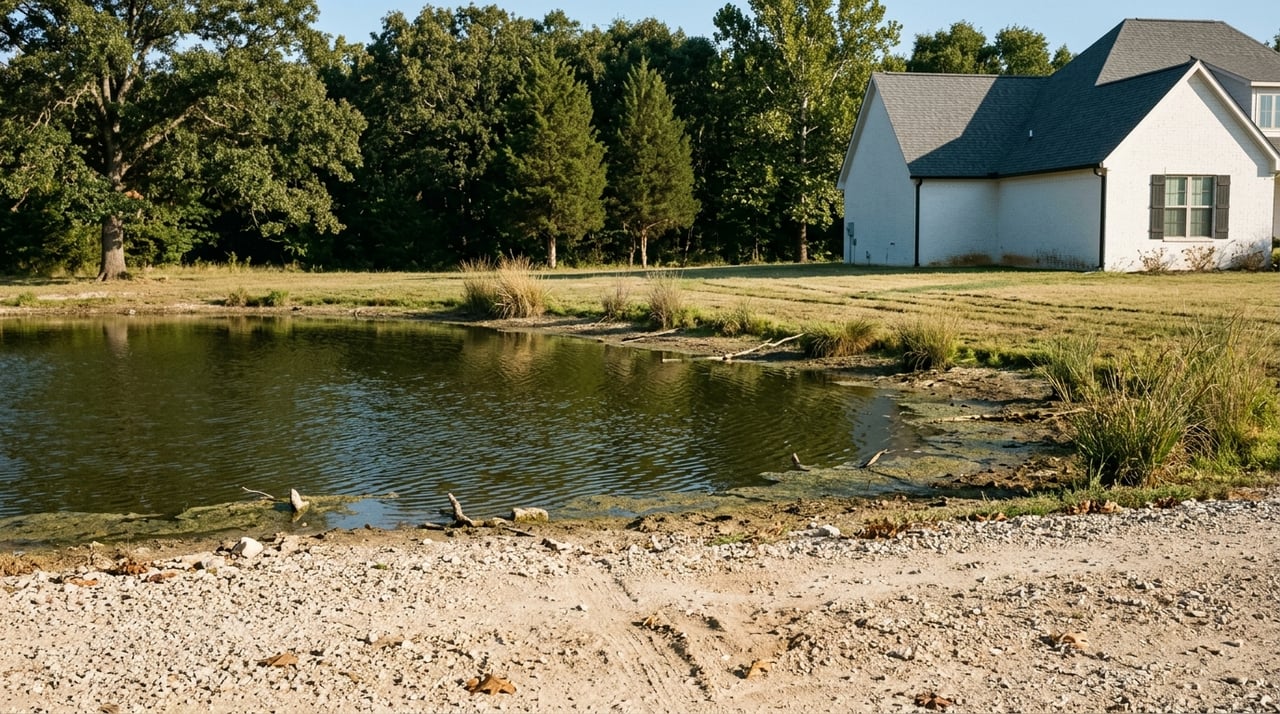
The County Clerk records mineral-related documents along with deeds, liens, plats, and mortgages. Because of that, a home sale may involve more than the house, barn, pond, or fence line you see during a showing.
Even if your main goal is simply to buy a home with room to breathe, you still want clarity on what rights transfer and what interests may remain with others. This is a standard part of smart acreage due diligence.
If you plan extra land use, ask sooner
Some buyers want acreage for more than privacy. You may be thinking about irrigation, livestock, or a small hobby farm setup. If so, water-use rules are worth checking early.
OSU notes that groundwater rights are private property rights in Oklahoma. Domestic use does not require a permit, but other uses may require permitting. That distinction matters if you are planning non-domestic water use on the property.
The earlier you ask these questions, the easier it is to decide whether a parcel truly fits your goals. A property that works well as a residence may not fit your plans for broader land use without more review.
A smart showing checklist
When you tour acreage or a country home in Pottawatomie County, bring a checklist and take notes. Rural properties have more moving parts than many buyers expect.
Here are some of the best questions to ask during showings and before closing:
- What is the water source: rural water or private well?
- If there is a well, when was it last tested and what were the results?
- Is there a water treatment system or maintenance history?
- Where are the septic tank and disposal field located?
- What type of septic system is installed, and are permits available?
- Is the road county-maintained or private?
- Is there a recorded access easement or road maintenance agreement?
- Is any part of the parcel in a floodplain or drainage area?
- Do any elevation or no-rise documents already exist?
- Do mineral rights convey with the sale?
- Are there oil and gas leases, liens, plats, or restrictions in the record?
- How is the land currently classified for tax purposes?
- Does the assessor record match the acreage and improvements?
Think beyond closing day
Acreage ownership does not stop at closing. In Pottawatomie County, buyers may also want to think about post-closing monitoring and record awareness.
The county offers a free land-record alert system. Using both your owner name and the legal description can help you monitor activity tied to the parcel after purchase. For land buyers, that is a practical extra step that supports long-term ownership awareness.
This is also where working with a local brokerage can help. When you are buying a rural property, local experience matters because the process often includes questions that do not come up in a standard in-town transaction.
Why local guidance helps
Acreage deals are often won or lost in the details. A home can look move-in ready while the land side of the transaction still needs careful review. Water, septic, floodplain status, access, title records, and tax classification all deserve attention before you commit.
That is why many buyers prefer a hands-on, local approach. Premier Realty, LLC has decades of experience serving central Oklahoma buyers and sellers, including clients looking for acreage, rural parcels, and country homes. The goal is simple: help you ask the right questions, spot issues early, and make a decision that fits your plans.
If you are thinking about buying acreage or a country home in Pottawatomie County, a practical game plan can save you time, stress, and costly surprises. Reach out to Premier Realty, LLC for local guidance tailored to your move.
FAQs
What should you verify first when buying acreage in Pottawatomie County?
- Start with the land records, legal access, water source, septic setup, floodplain status, mineral issues, and tax classification.
How can you check land records in Pottawatomie County?
- The County Clerk is the official record keeper for deeds, mortgages, liens, plats, and oil and gas lease records, and the county points buyers to ActDataScout for land ownership and tax records.
What water questions should you ask when buying a country home in Pottawatomie County?
- Ask whether the property uses rural water or a private well, when the well was last tested, what the results were, and whether there is a treatment or maintenance history.
What septic questions matter for acreage homes in Pottawatomie County?
- Ask where the septic tank and disposal field are located, what type of system is installed, when it was last pumped or inspected, and whether DEQ paperwork or permits are available.
Why does floodplain status matter for rural property in Pottawatomie County?
- Floodplain status can affect drainage, building plans, permit needs, and how you use the land, so it is important to review early in the process.
Do mineral rights matter when buying acreage in Pottawatomie County?
- Yes. Buyers should ask whether minerals convey with the sale and whether any oil and gas leases or related documents are in the public record.