Buying your first home in Chandler can feel exciting and a little overwhelming at the same time. You want a place that fits your budget, your daily routine, and your long-term plans, but you also do not want to miss a costly detail. The good news is that when you understand how Chandler’s housing stock, utilities, and rural-adjacent properties work, you can make smarter choices from the start. Let’s walk through it step by step.
Why Chandler first-time buyers need a local plan
Chandler offers a mix that many first-time buyers find appealing: small-town living with access to Interstate 44 and historic Route 66, plus a location roughly between Oklahoma City and Tulsa. That can make commute convenience part of your home search, along with the usual questions about price, layout, and condition.
Local housing patterns also shape what you should look for. City planning materials describe Chandler as mostly single-family homes on detached lots, with suburban residential lots generally ranging from one-quarter acre to one acre, and estate lots generally over one acre. The city’s 2023 housing snapshot also shows a median year built of 1977, which means many homes may have older systems and features that deserve close review.
In practical terms, your first home search here is not only about paint colors and countertops. Lot size, upkeep, drainage, and the age of major systems can matter just as much.
Step 1: Get preapproved early
Before you start touring homes, get preapproved with a lender. A preapproval letter shows a lender’s tentative willingness to lend up to a certain amount, which helps you understand your price range before you make an offer.
That step can save you time and stress. Instead of guessing what you can afford, you can focus your search on homes that fit your budget and monthly payment goals.
Compare loan options carefully
Not every loan works the same way, and that matters for first-time buyers. Ask your lender to explain the down payment, closing costs, monthly payment, and any property requirements tied to each loan option.
If you need help with upfront costs, Oklahoma has a statewide option worth asking about. OHFA’s Homebuyer Down Payment Assistance program can provide 3.5% of the total loan amount for down payment and or closing costs, and it may be paired with FHA, HUD-184, USDA-RD, VA, or conventional loans on eligible products.
Ask about rural financing
If you are considering homes on the edge of town or outside the main city grid, ask your lender whether the address may qualify for USDA Rural Development financing. USDA says its Single Family Housing programs may help qualifying households buy or build in eligible rural areas, and the Guaranteed Loan Program may offer financing with no money down through approved lenders.
That does not mean every property will qualify. It does mean it is smart to check early, especially if acreage or a rural setting is on your wish list.
Step 2: Narrow your search with Chandler in mind
Once you know your budget, start looking at homes through a local lens. In Chandler, that means paying attention not just to the house itself, but also to where it sits and how the property functions.
A home inside city limits may offer a different ownership experience than one just outside town. That difference can affect utilities, inspections, future improvements, and even ongoing maintenance.
Look beyond cosmetic updates
Because much of Chandler’s housing stock is older and detached, first-time buyers should look closely at core systems and structural details. During showings, notice the roof, HVAC, plumbing updates, foundation movement, and how water drains around the house.
A home can look great on the surface and still have deferred maintenance underneath. Paying attention early helps you avoid falling in love with a home before you understand its real condition.
Check lot size and property use
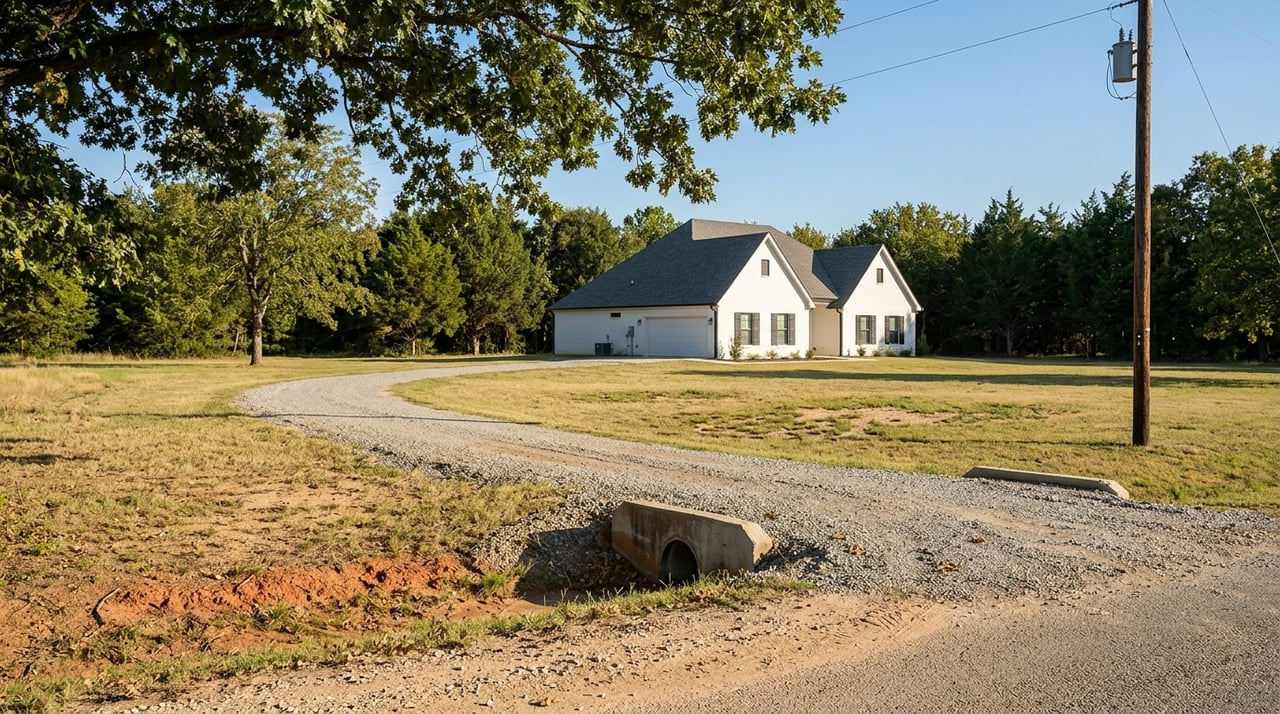
Chandler includes everything from standard in-town lots to larger rural-adjacent parcels. If you want space for a shop, fencing, outbuildings, or future additions, ask questions before you close.
The city’s Community Development department handles planning, zoning, permitting, and code enforcement, and the Planning Commission reviews land use, zoning changes, subdivisions, and development plans. For you, that means it is wise to confirm a parcel is set up the way you expect and that your future plans fit local rules.
Step 3: Confirm utilities before you commit
Utilities are easy to overlook when you are focused on the home itself, but they can have a big impact on day-to-day ownership. In Chandler, whether a home is inside or outside city limits matters.
Inside city limits, the city provides water, wastewater, and trash services. The city says new utility customers apply in person at City Hall with photo ID, a lease or rental agreement if applicable, and a deposit, and bills are mailed on the 1st and due on the 10th.
Ask these utility questions during showings
Before moving too far forward on a property, ask:
- Is the home inside Chandler city limits or outside them?
- Is water provided by the city or a private well?
- Is the property connected to city sewer or a septic system?
- Are there recent service records, permits, or test results?
These questions are especially important for homes with acreage or homes near the edge of town. Utility setup can change quickly once you leave the city grid.
Step 4: Make inspections a priority
Inspections are one of the most important parts of the first-time buying process. They help you understand a home’s physical condition before closing.
This is also where many buyers get confused about the difference between an inspection and an appraisal. An appraisal is used by the lender to estimate value. It is not the same as a licensed home inspection, which is meant to review the property’s condition more closely.
Focus on the issues older homes may have
Given Chandler’s older median housing age, a strong inspection matters. You want clear information about the roof, heating and cooling, plumbing, electrical systems, signs of foundation movement, and drainage around the home.
These items can affect both your budget and your peace of mind after move-in. They may also influence repair requests or whether a home still makes sense for you.
Take septic and well systems seriously
If you are buying outside city sewer and water service, do extra homework. Oklahoma DEQ says on-site sewage systems are used statewide, and all new installations or modifications must be inspected and approved before use. DEQ also notes that maintenance is the homeowner’s responsibility.
For private wells, OSU Extension says the well owner is responsible for water quality and safety. OSU recommends annual testing for nitrates, total dissolved solids, pH, and fecal coliform.
OSU also notes that well-to-septic separation should be at least 75 feet, or 100 feet if the well is downslope of the septic system. If a property has both a well and septic, ask for records and make sure you understand how the systems are placed and maintained.
Step 5: Review floodplain concerns early
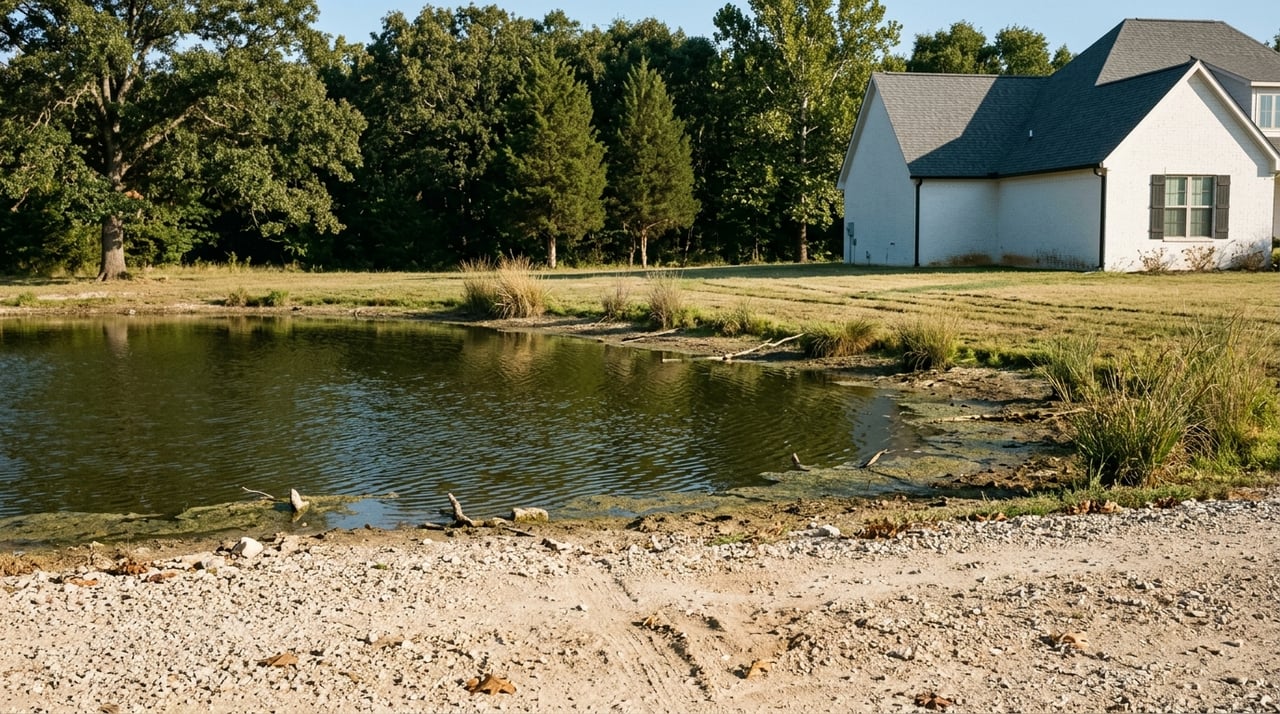
For low-lying lots, acreage, or property near drainage areas, floodplain review should happen early in the process. This is not something you want to discover late in escrow.
Lincoln County Emergency Management says floodplain management is required, and the county participates in the National Flood Insurance Program and Community Rating System. The county’s floodplain generally includes the floodway, a 1% annual chance flood zone, and a 0.02% annual chance flood zone.
Why flood status matters
Flood status can affect insurance needs, property use, and your comfort with a specific lot. If a home sits near creek bottoms, drainage paths, or other low spots, verify the flood status and ask how that may affect ownership costs and future plans.
This step is especially important on larger parcels where not every part of the land functions the same way.
Step 6: Read the closing paperwork closely
When you reach the closing stage, slow down and review the numbers carefully. The Closing Disclosure gives the final details of your mortgage loan, including key costs and terms.
A smart habit is to compare the Closing Disclosure with your earlier Loan Estimate. If fees, credits, or escrow amounts changed, ask questions before signing so you understand exactly what you are paying and why.
Step 7: Handle post-closing tasks right away
Closing day is a milestone, but there are still a few important items to finish after you get the keys. Some of these tasks are easy to forget in the excitement of moving.
One big one for Oklahoma buyers is the homestead exemption. The Oklahoma homestead application says a purchaser or new owner must file, and the exemption generally applies for the current year only if the application is filed by March 15 or within 30 days of a notice of valuation increase. Otherwise, it begins the following tax year.
Add these items to your move-in checklist
After closing, plan to:
- File for homestead exemption with the Lincoln County Assessor
- Set up or transfer Chandler city utilities if the home is inside city limits
- Keep copies of your closing package
- Save inspection reports and repair receipts
- Store any septic, well, or floodplain records in one place
Those records can help later with maintenance, insurance questions, or resale.
A simple Chandler home buying checklist
If you want a quick summary, here is the process in order:
- Get preapproved and review loan options
- Ask about OHFA and USDA eligibility if needed
- Tour homes with close attention to age, systems, and lot function
- Confirm whether the property has city utilities, septic, or a well
- Schedule inspections and review findings carefully
- Check zoning, permitting, or land-use questions for acreage
- Review floodplain status on low-lying or rural-adjacent lots
- Compare your Closing Disclosure to your Loan Estimate
- File homestead paperwork and complete utility setup after closing
Why local guidance matters in Chandler
The first-time buying process in Chandler is manageable when you know what to expect. The paperwork may look similar to any other purchase, but the property mix here can create extra questions about older homes, municipal utilities, acreage, septic systems, wells, and floodplain concerns.
That is where local experience can make a real difference. When you have someone helping you look past the surface and focus on how a property works in real life, you can buy with more confidence and fewer surprises.
If you are getting ready to buy your first home in Chandler or anywhere in Lincoln County, Premier Realty, LLC is here to offer practical, local guidance every step of the way.
FAQs
What should first-time home buyers in Chandler look for during a showing?
- Look beyond finishes and pay close attention to the roof, HVAC age, plumbing updates, signs of foundation movement, drainage, lot size, and whether the home is inside city limits or on private systems.
What loan help is available for first-time buyers in Chandler, Oklahoma?
- Buyers may want to ask a lender about OHFA down payment assistance and whether a specific property may qualify for USDA Rural Development financing if it is in an eligible rural area.
What utility questions should Chandler home buyers ask before making an offer?
- Ask whether the property has city water and sewer or a private well and septic system, and request any available service records, permits, or recent test results.
Why is a home inspection important for older homes in Chandler?
- Many Chandler homes are older, so an inspection can help you identify issues with major systems and structure that may not be obvious during a showing.
What should Chandler acreage buyers verify before closing?
- Buyers should confirm utility setup, septic or well details, floodplain status, and whether zoning or permitting rules fit any planned improvements such as a shop, fence, or addition.
What should new homeowners do after closing on a home in Chandler?
- New owners should file for homestead exemption with the Lincoln County Assessor, set up city utilities if applicable, and keep organized copies of closing, inspection, septic, well, and floodplain records.