Are you thinking about buying a small investment property in Stillwater? It can be a smart market to explore, but only if you understand what really drives demand, rent timing, and property rules in this college-centered city. If you want a clearer picture of duplexes, small rentals, and the local details that can affect your numbers, you are in the right place. Let’s dive in.
Why Stillwater attracts small investors
Stillwater has a strong rental presence compared with many owner-heavy markets. U.S. Census QuickFacts lists the city’s 2025 population at 50,046, with an owner-occupied housing unit rate of 37.1% and a median gross rent of $947. That points to a market where renter demand plays an important role.
A major reason is Oklahoma State University. OSU reported record enrollment on the Stillwater campus in 2025 and said the campus welcomed nearly 5,200 freshmen, while city planning materials identify OSU as the largest single employer in Stillwater. The city also points to Stillwater Medical Center, Stillwater Public Schools, and the City of Stillwater as major employers.
For you as a buyer, that means demand is not tied to just one type of tenant. Students are a big part of the market, but local workers also support rental demand. That can create opportunities for buyers looking at duplexes, small multi-unit properties, or single-family homes intended as rentals.
Rent benchmarks to know
When you start reviewing listings, it helps to have a rough rent benchmark in mind. HUD’s FY2026 Fair Market Rents for Payne County show $847 for a one-bedroom, $1,035 for a two-bedroom, $1,439 for a three-bedroom, and $1,568 for a four-bedroom unit. These are county-wide program figures, not property-specific market comps, but they can still be useful as a starting point.
You should treat those numbers as reference points, not automatic rent targets. Actual rent will depend on location, condition, layout, parking, utility setup, and whether the property fits student-oriented demand or a broader tenant base. In Stillwater, small details often make a big difference in income potential.
Small property types in Stillwater
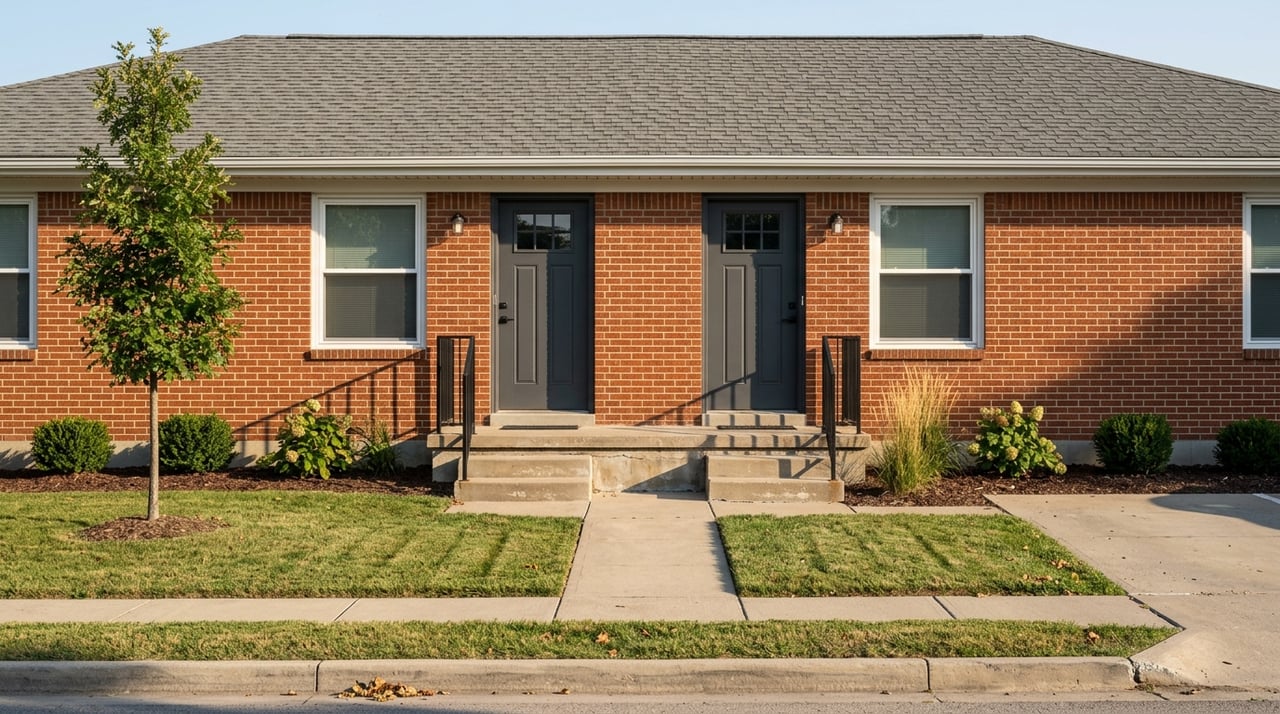
If you are shopping for a smaller investment, you will likely see a few common property types come up again and again. These can include single-family rentals, duplexes, townhomes, and small multi-family properties. Each type comes with a different risk and management profile.
Stillwater’s Land Development Code defines a two-family building as a duplex with independent living facilities for two families on one lot. In the RTM Two-Family and Multi-Family District, the city permits duplex, townhome, and multiple-family uses up to 20 units per acre. The NTZ Neighborhood Transition Zone also permits single-family, duplex, and townhome uses.
That matters because zoning is not just a technical detail. It can affect whether the current use is allowed, whether future changes are possible, and whether a property fits the investment plan you have in mind. Before you get too far into a deal, make sure the zoning supports the use you want.
Why zoning should be on your checklist
In Stillwater, zoning deserves a place near the top of your due diligence list. A property may look like a good fit on paper, but the zoning district can change how you use it, improve it, or market it later. This is especially important if you are comparing duplexes, townhomes, or properties with future value-add potential.
If a listing mentions short-term rental income, be careful not to assume that use is allowed. Stillwater requires a short-term rental license for stays of up to 30 consecutive days per guest within a 90-day period. The city also says only the owner may operate the short-term rental, and this use is limited to RSS, RSL, and RT residential zoning districts.
For many buyers, that one issue can completely change the deal. A property promoted with “Airbnb potential” may not match your plan if the zoning or ownership rules do not fit. In Stillwater, it is worth verifying those details early rather than trying to solve them after you are under contract.
Student demand shapes the market
Because OSU is such a large part of the local economy, the student calendar matters. But that does not mean every student can rent off campus right away. OSU says all first-time freshmen under age 21 who are unmarried and without dependents must live in university housing during the academic year, with some listed exemptions.
In practical terms, off-campus rentals are more likely to serve upperclassmen, transfer students, graduate students, married students, students with dependents, and some commuters. That is helpful to understand when you are evaluating the size, layout, and location of a property. A unit that appeals to an upperclassman or graduate student may perform differently than one aimed at first-year demand.
This also means your ideal tenant profile may be broader than many out-of-town buyers assume. In Stillwater, student demand matters, but it is shaped by university housing rules. That makes it important to think carefully about who your likely renter will actually be.
Vacancy risk in a college town
One of the biggest challenges in a university-driven market is seasonality. OSU’s housing calendar shows that spring 2026 residents had to move out by May 9 for non-graduating students and May 10 for graduating students. Fall 2026 move-in ran from August 7 through August 13, depending on the resident group.
That timing helps explain why student-oriented rentals often need careful lease planning and early marketing. The stretch between spring move-out and fall move-in can create turnover pressure if your leasing calendar is not lined up well. Even a property with strong demand can feel expensive if it sits vacant during the wrong part of the year.
If you are buying a property with existing tenants, pay close attention to lease end dates. If you are buying a vacant unit, think through how quickly you could market, make repairs, and place a tenant before the next key leasing window. Timing matters almost as much as price in a market like Stillwater.
Stillwater has non-student renters too
It is easy to focus only on OSU, but Stillwater also has non-student tenant demand. City planning materials identify OSU, Stillwater Medical Center, Stillwater Public Schools, the City of Stillwater, and manufacturing and technical employers as key parts of the local jobs base. That supports demand from faculty, staff, healthcare workers, city employees, and other local workers.
For you, this can be a useful risk-balancing factor. Some properties may appeal mainly to student renters, while others may be a better fit for local employees who want a longer-term rental. Understanding that difference can help you choose a property that matches your comfort level with turnover and management.
What to review in a listing
In Stillwater, a listing description can tell you a lot, but only if you know what to look for. Price matters, of course, but the fine print often tells you more about actual investment value than the headline number. A strong first pass can save you time and help you avoid properties that do not fit your goals.
Here are a few items worth checking right away:
- Occupancy status
- Current rent, if any
- Lease end date
- Zoning district
- Property type
- Parking setup
- Utility responsibility
- Laundry access
- Roof, HVAC, plumbing, and electrical age or condition
- Any mention of short-term rental or “Airbnb potential”
In a small rental, these practical details can affect your net operating income more than cosmetic upgrades do. A property with solid systems, workable parking, and clear utility setup may be easier to manage than a prettier property with hidden operating issues.
Utilities and property operations matter
Stillwater provides electric, water, wastewater, trash, and recycling service. The city also has a start, stop, and transfer process for utility accounts. For a rental owner, that makes utility responsibility an important item to review before closing.
You will want to know which services the tenant pays and which ones the owner covers, if any. That split can affect your monthly expenses and your rent strategy. In a duplex or small rental, even small utility differences can change your long-term returns.
Renovation and permit planning
If you are considering a value-add property, be realistic about the local permit and inspection side of the process. Stillwater’s Building and Fire Code Services department oversees plan review and inspections. The city has adopted the 2018 International Residential Code for one- and two-family dwellings and townhouses up to three stories.
That means your rehab budget should include time as well as money. Cosmetic updates may be simple, but system work or larger improvements may involve more coordination. Before buying a fixer-upper, it helps to understand how repairs, inspections, and local code oversight may affect your timeline.
Build a local support team
A small investment property usually performs better when you have local help in place. In Stillwater, that is even more important because leasing cycles can be tied closely to the university calendar and because the city manages essential utilities and code compliance steps. A remote, do-it-yourself approach can be harder here than it first appears.
A strong local team may include:
- A buyer’s agent who understands Stillwater rental patterns
- A property manager who can handle turnover and leasing logistics
- A contractor familiar with city inspections
- A lender who can move on investor timelines
- Insurance and tax professionals who can support your ownership plan
The goal is not to overcomplicate the purchase. It is to make sure you have people nearby who understand how this market works. That kind of local knowledge can help you spot risk earlier and make better decisions with more confidence.
A practical approach for buyers
If you are exploring small investment properties in Stillwater, try to keep your focus on the basics. Start with the tenant profile the property is most likely to attract. Then review zoning, lease timing, operating costs, and repair needs before you get attached to projected income.
Stillwater can offer real opportunity for buyers who do their homework. The city has a meaningful rental base, a major university presence, and other local employers that support housing demand. But as with any investment, the strongest deals are usually the ones where the details make sense from day one.
If you want help evaluating duplexes, rentals, or other small investment opportunities in central Oklahoma, Premier Realty, LLC offers practical, local guidance built around your goals.
FAQs
What makes Stillwater a good market for small investment properties?
- Stillwater has a strong rental component, a 2025 population of 50,046, a 37.1% owner-occupied housing rate, and demand supported by Oklahoma State University and other major local employers.
What rent numbers should buyers use for Stillwater investment planning?
- HUD’s FY2026 Fair Market Rents for Payne County list $847 for a one-bedroom, $1,035 for a two-bedroom, $1,439 for a three-bedroom, and $1,568 for a four-bedroom, but buyers should treat these as benchmarks rather than exact market comps.
What zoning issues matter for duplexes in Stillwater?
- Stillwater defines a two-family building as a duplex, and allowed uses vary by zoning district, so buyers should confirm the property’s zoning supports the current or planned use before moving forward.
Can buyers use a Stillwater property as a short-term rental?
- Short-term rentals in Stillwater require a city license, only the owner may operate them, and they are limited to RSS, RSL, and RT residential zoning districts.
How does Oklahoma State University affect rental demand in Stillwater?
- OSU shapes local rental demand, but first-time freshmen under age 21 who are unmarried and without dependents are generally required to live in university housing during the academic year, so off-campus demand often comes from upperclassmen, transfers, graduate students, and other renter groups.
When is vacancy risk highest for student-oriented rentals in Stillwater?
- Vacancy risk can rise during the gap between OSU spring move-out in May and fall move-in in August, which makes lease timing and early marketing especially important for student-focused properties.
What should buyers check in a Stillwater investment property listing?
- Buyers should review occupancy status, lease end dates, current rent, zoning, utility responsibility, parking, laundry, and the condition of major systems such as the roof, HVAC, plumbing, and electrical.
Why does a local team matter when buying a Stillwater rental property?
- A local team can help you navigate OSU-related leasing cycles, city utility processes, inspections, and other practical details that can affect both timing and returns.